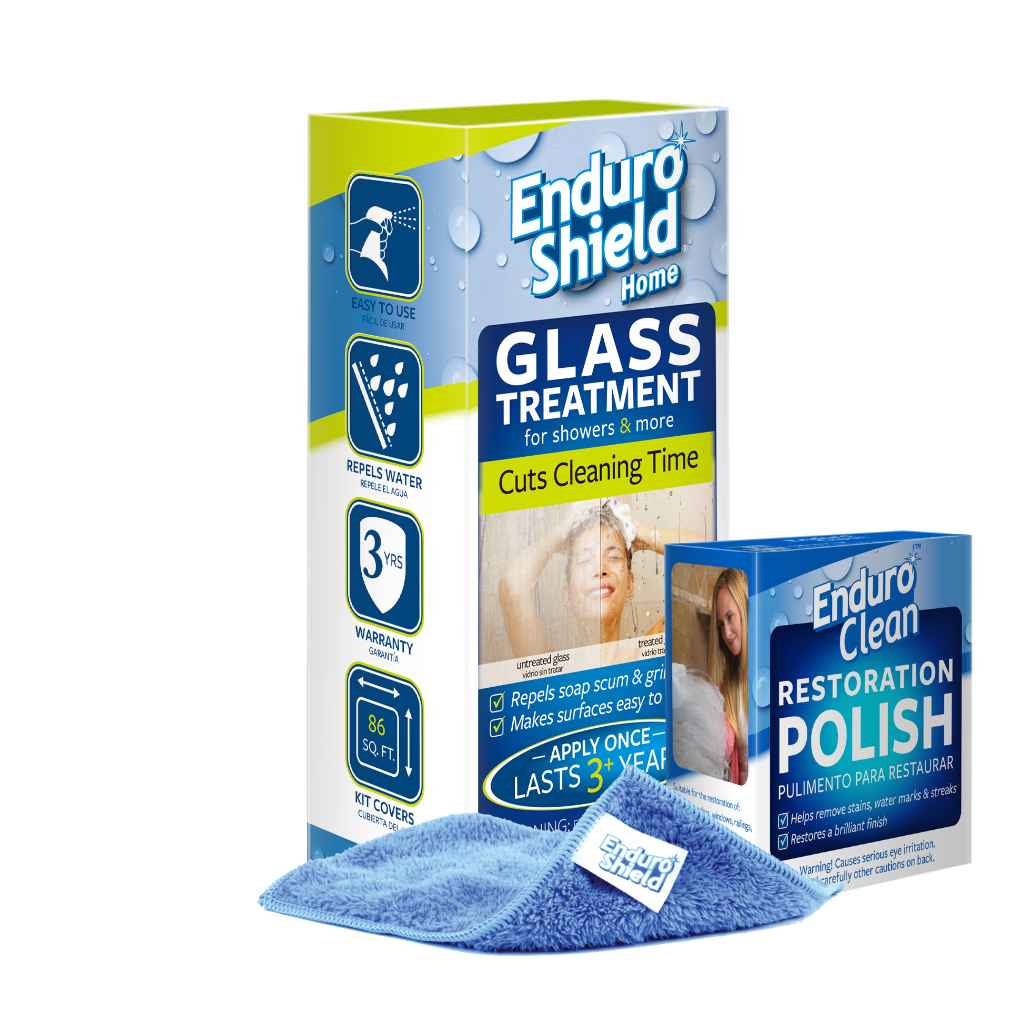
Specialty Glass Treatment Application Services in Dallas, TX
Advanced specialty glass treatments for Dallas commercial properties including water repellent coatings, anti-graffiti films, and protective treatments that extend glass life and reduce maintenance costs.
Service Overview
Specialty glass treatment application provides advanced protection for commercial windows through professional-grade coatings and films that extend glass life, reduce maintenance requirements, and enhance performance. These treatments create invisible barriers that repel water, resist contamination, prevent graffiti damage, and improve energy efficiency. For Dallas commercial properties seeking to maximize their glass investment, specialty treatments deliver lasting value.
Modern glass treatment technology offers solutions for diverse commercial challenges. Hydrophobic coatings cause water to bead and sheet off glass, carrying dirt and reducing cleaning frequency. Anti-graffiti films protect against vandalism damage while remaining virtually invisible. Low-E coatings improve thermal performance, reducing cooling costs in Dallas's hot climate. Our specialty treatment services apply these advanced products with professional expertise that ensures optimal performance.
The application process for specialty glass treatments requires specialized equipment, controlled environments, and technical expertise that professional services provide. Proper surface preparation, precise application techniques, and appropriate curing conditions determine treatment effectiveness and longevity. Our Dallas specialty glass treatment services deliver factory-quality results that protect your glass investment for years.
Our Process
Treatment Consultation
We assess your glass and objectives to recommend optimal treatment solutions.
Surface Preparation
Glass is thoroughly cleaned and prepared to ensure proper treatment adhesion.
Professional Application
Treatments are applied using specialized equipment and techniques for uniform coverage.
Curing and Inspection
Proper curing is ensured and final inspection confirms optimal results.
Advanced Protection for Commercial Glass
Commercial glass represents a significant investment that specialty treatments help protect and enhance. Water-repellent coatings create invisible barriers that prevent mineral deposits, environmental contaminants, and organic growth from adhering to glass surfaces. Dallas businesses benefit from reduced maintenance requirements and extended periods between professional cleanings.
Anti-graffiti films provide essential protection for properties in areas vulnerable to vandalism. These sacrificial layers can be replaced if damaged, protecting expensive glass from permanent etching or scratching. For Dallas commercial properties in high-visibility locations, this protection provides peace of mind and significant cost savings compared to glass replacement.
Energy Efficiency Through Glass Treatment
Dallas's hot summers create substantial cooling costs for commercial buildings. Solar control treatments reduce heat gain through windows while maintaining visibility and light transmission. Low-E coatings reflect infrared radiation, keeping interiors cooler without the dark tinting of traditional window film. These energy-efficient treatments can significantly reduce HVAC costs during Texas heat waves.
We evaluate building orientation, existing glazing, and cooling costs to recommend treatments that deliver maximum energy savings. Our professional application ensures proper performance without the bubbling, peeling, or discoloration common in amateur installations. For Dallas businesses seeking to reduce operating costs, energy-efficient glass treatments provide ongoing returns on investment.
Professional Application for Lasting Results
Specialty glass treatments require precise application to achieve advertised performance and durability. Surface preparation must remove all contaminants that could interfere with adhesion. Application conditions including temperature and humidity affect curing and final results. Our professional services ensure that these variables are optimized for your specific treatment selection.
We work with leading manufacturers of commercial glass treatments, applying their products according to specifications that maintain warranty coverage. Our technicians are trained in proper techniques for each treatment type, ensuring uniform coverage without streaks, bubbles, or missed areas. The result is glass protection that performs as intended for years, delivering the value that justifies treatment investment.
Key Benefits
- Water-repellent coatings reduce cleaning frequency
- Anti-graffiti films protect against vandalism
- UV protection prevents interior fading
- Energy-efficient coatings reduce cooling costs
- Extended glass lifespan and reduced replacement
Serving All of Dallas-Fort Worth
We provide specialty glass treatment application throughout the Dallas metroplex. View our service areas or contact us for availability in your location.
services planning guide
How to plan specialty glass treatment application for a commercial property in Dallas
Dallas Commercial Window Cleaners uses the following planning framework to help property managers and business owners turn a request for commercial window and exterior-glass cleaning into a scope that can be walked, priced, scheduled, and checked. It is designed for practical comparison and does not replace site-specific safety, material, vendor, or regulatory requirements.
Define the Work Before Pricing It
The strongest specialty glass treatment application plan names measurable outcomes rather than relying on broad phrases such as “keep it clean.” Examples include streak-free entry glass, stocked and odor-controlled restrooms, debris-free floor edges, sanitized touchpoints, and completion before a stated opening time. Specialty Glass Treatment Application should begin with a written definition of the rooms, surfaces, fixtures, equipment boundaries, and access conditions included in the work. A useful scope separates routine tasks from periodic restoration so the facility manager can see what happens on every visit and what occurs only on a planned cycle. Before pricing specialty glass treatment application, document exclusions as carefully as inclusions. Exterior work, high access, consumable supplies, waste handling, specialty floor restoration, equipment interiors, and event cleanup can be scheduled correctly only when responsibility is explicit. Change orders are easier to avoid when the initial specialty glass treatment application proposal records current conditions. Photographs, floor-type notes, access limitations, and known buildup give both sides a shared baseline for deciding what belongs in startup work and what belongs in recurring maintenance.
Build the Schedule Around Operations
Recurring specialty glass treatment application should include planned periodic work instead of waiting for visible deterioration. Rotating detail tasks through monthly or quarterly cycles protects floors, fixtures, glass, vents, edges, and other zones that routine visits cannot address completely. Facilities with irregular occupancy should use a flexible service calendar. Seasonal traffic, events, construction phases, tenant move-ins, inventory cycles, and weather can all create temporary cleaning demand that a rigid schedule will miss. A dependable plan includes a method for reporting schedule changes. The facility contact should know whom to notify, how much lead time is needed, and how missed or added visits affect the monthly program before an urgent request arises. For Dallas–Fort Worth properties, travel windows and building access can materially affect the usable service period. A realistic schedule accounts for security handoffs and operating deadlines rather than promising a start time that leaves too little time to finish.
Make Quality Control Observable
A quality program should explain how corrections are handled. The facility contact needs a clear response path, a reasonable correction window, and confirmation when the issue is closed rather than a vague assurance that someone will look into it. Inspection frequency should reflect the complexity of the account. A small weekly office may need periodic supervisory review, while a high-traffic or regulated environment may require documented checks several times each week. Consistent crew assignments improve specialty glass treatment application because the team learns access routines, material sensitivities, recurring problem areas, and the expectations of the facility contact. Coverage plans are still necessary for absences so consistency does not depend on one individual. Before-and-after documentation is especially valuable for one-time or restorative specialty glass treatment application. It establishes the starting condition, records the completed result, and helps the facility manager decide whether a recurring maintenance cycle would prevent the same buildup.
Match Methods to Materials and Risk
Product selection should match the task and the occupied environment. Cleaning, degreasing, disinfecting, descaling, and finishing are different functions; using one product for every surface can leave residue, reduce effectiveness, or shorten asset life. Equipment should be selected for the facility rather than for convenience. HEPA filtration, low-moisture extraction, auto-scrubbing, water-fed poles, pressure equipment, or detail tools may be appropriate depending on access, surface, soil, and reopening time. Consumable supplies deserve their own responsibility list. Soap, paper products, liners, dispensers, batteries, air fresheners, and specialty items may be client supplied, contractor supplied, or billed separately, but the agreement should not leave that question open. Surface identification matters because a process that works on one material can damage another. Before specialty glass treatment application, confirm flooring, stone, coated metal, glass treatments, upholstery, painted surfaces, and manufacturer restrictions that affect chemistry or agitation.
Use the Walkthrough to Build the Scope
Discuss current service honestly during the walkthrough. What works should be preserved, what fails should be corrected, and any unrealistic expectation should be resolved before it becomes a recurring dispute after startup. If the requested specialty glass treatment application includes restorative work, identify the difference between a first-service reset and ongoing maintenance. Startup work may require additional labor that should not be hidden inside the recurring visit price. Access and safety constraints should be demonstrated, not merely mentioned. Alarm panels, loading doors, restricted areas, waste points, water access, electrical access, and equipment storage can change the labor plan materially. A useful walkthrough ends with next steps: who will receive the written scope, who can approve revisions, whether a second technical visit is required, and what information is still needed before pricing is final.
Put the Service Agreement in Writing
A commercial cleaning agreement should attach or reproduce the approved scope, frequency, service window, periodic task calendar, supply responsibilities, access rules, and communication contacts. The written detail protects both the property and the service team. A structured startup period gives both sides a chance to refine the scope. Early inspections and a scheduled review after the first few visits can resolve workload assumptions before they become embedded in a long-term program. Insurance and vendor-document requirements should be confirmed during proposal review rather than after award. If the property requires a certificate, additional insured wording, vendor portal registration, or special access documentation, those steps can affect the startup date. Service-level expectations should be realistic and observable. A promise of “perfect cleaning” is less useful than response times, inspection routines, named completion outcomes, and an escalation process for repeated deficiencies.
Plan for Dallas Facility Conditions
Dallas facilities contend with long cooling seasons, tracked-in dust, pollen, severe-weather debris, and rapid development activity. Those conditions can influence entry cleaning, high dusting, floor care, glass maintenance, and the timing of periodic deep work. Commercial properties in the region frequently combine offices, warehouses, showrooms, food service, or public-facing areas under one address. Zoning the scope by use keeps the cleaning method appropriate for each part of the building. DFW traffic makes realistic arrival windows important, especially when a crew must meet security or elevator access at a fixed time. The plan should protect enough on-site time to complete the work rather than compressing the scope after a delayed handoff. A local service plan should account for the property’s immediate environment. Construction nearby, open parking, landscaping, loading activity, and pedestrian traffic can change how quickly dust and debris return after a visit.
Compare Providers on More Than Price
Evaluate communication alongside cleaning technique. A facility manager needs timely updates, a named account contact, documented service requests, and a reliable process for resolving issues without repeatedly explaining the account. When comparing specialty glass treatment application proposals, normalize the scope before comparing price. A lower monthly number may exclude periodic work, supplies, supervision, floor care, or enough labor to complete the stated checklist. A pilot or structured startup can be useful when the facility is complex or the current condition is uncertain. Define what will be evaluated, how long the evaluation lasts, and what information determines the permanent scope. The final decision should align service frequency with the facility’s real use. Buying fewer visits than the property needs creates visible decline; buying unnecessary frequency wastes budget that could be directed to periodic or high-priority work.
Start, Measure, and Adjust the Program
After the first service cycle, compare actual labor and facility condition with the proposal assumptions. If the original scope was inaccurate, adjust it openly rather than expecting quality to survive an unrealistic workload. A stable program still needs review after renovations, staffing growth, seasonal traffic, operating-hour changes, or new equipment. Each change can alter soil load, access, or the time available for specialty glass treatment application. Periodic tasks should be placed on a calendar at startup. Floor work, carpet extraction, glass detailing, vent cleaning, high dusting, pressure cleaning, and other rotating services are easier to budget when dates are planned. Task sequencing affects results. High dusting should precede lower-surface cleaning, dry soil removal should precede wet work, and areas with restricted reopening times should be completed early enough to dry or ventilate.
Bring to the walkthrough
- Approximate square footage, floor plan, and operating hours
- Current frequency, known complaints, and priority areas
- Flooring and surface notes, restricted rooms, and access rules
- Desired start date, budget constraints, and approval contacts
Expect in a written proposal
- Task scope by zone and visit frequency
- Service windows, periodic work, and supply responsibility
- Quality checks, communication, and correction procedures
- Pricing assumptions, exclusions, and change-order rules