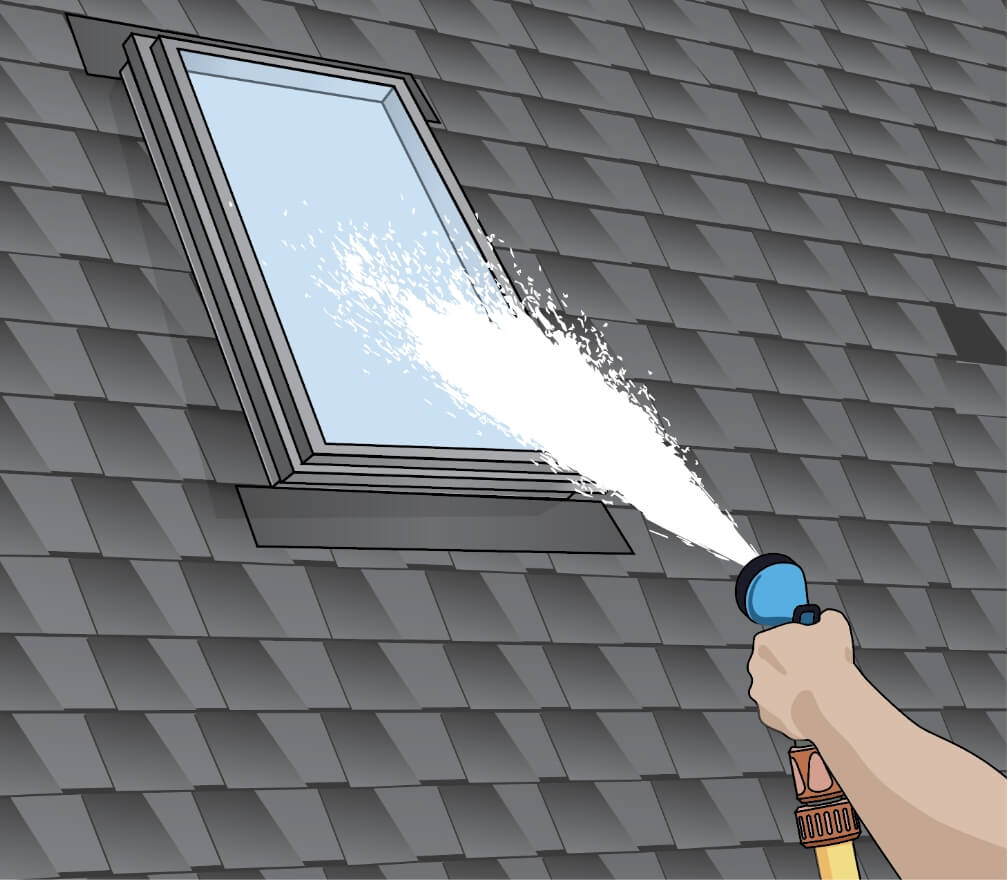
Commercial Skylight Cleaning Services in Dallas, TX
Professional skylight cleaning services to maximize natural light in your Dallas commercial space. We safely access and clean interior and exterior skylight surfaces for optimal clarity and brightness.
Service Overview
Commercial skylight cleaning addresses the unique challenges of maintaining overhead glass surfaces that bring natural light into Dallas commercial spaces. Skylights accumulate dust, pollen, bird droppings, and environmental contaminants that significantly reduce light transmission and diminish the energy-saving benefits these installations provide. Professional skylight cleaning restores transparency, maximizes natural illumination, and protects the investment these architectural features represent.
Dallas commercial buildings utilize skylights extensively in retail spaces, atriums, office buildings, and industrial facilities to reduce artificial lighting costs and create appealing interior environments. However, overhead positioning makes skylights particularly susceptible to contamination that standard maintenance cannot address. Interior surfaces collect dust and airborne particles, while exterior faces exposure to weather, wildlife, and environmental pollutants. Specialized skylight cleaning services safely access these challenging locations to restore their function and appearance.
The intense Texas sun makes clean skylights particularly valuable for Dallas businesses. Maximum light transmission reduces electricity costs for artificial lighting while creating brighter, more appealing interior spaces. Regular professional cleaning maintains these benefits while also identifying potential leaks, seal failures, or damage that could lead to costly repairs if left unaddressed.
Our Process
Access Assessment
We evaluate skylight location and access requirements, determining the safest approach for cleaning.
Interior Cleaning
Interior surfaces are carefully cleaned to remove dust and contaminants without damaging finishes below.
Exterior Cleaning
Exterior surfaces are accessed and cleaned using appropriate safety equipment and techniques.
Inspection and Reporting
Skylights are inspected for damage, seal issues, or other concerns that require attention.
Maximize Natural Light in Your Dallas Facility
Natural light provides numerous benefits for commercial spaces including reduced energy costs, improved employee productivity, and enhanced customer experiences. Skylights represent a significant investment in these benefits, but their effectiveness depends on maintaining clean, transparent surfaces. Even thin layers of dust can significantly reduce light transmission, diminishing the return on your skylight investment.
Our commercial skylight cleaning services restore maximum light transmission, allowing you to fully realize the benefits of natural illumination. We remove the dust, pollen, and environmental contaminants that accumulate on both interior and exterior surfaces. For Dallas businesses facing high cooling costs, clean skylights with appropriate glazing maximize daylight while minimizing heat gain, supporting both energy efficiency and interior comfort.
Safe Access for Overhead Glass Cleaning
Skylight cleaning presents unique safety challenges due to overhead positioning and access difficulties. Interior cleaning requires working at height within occupied spaces, while exterior cleaning may involve roof access or specialized equipment. Our technicians are trained and equipped to handle these challenges safely and efficiently.
We utilize appropriate access equipment including ladders, scaffolding, lifts, and safety harnesses based on skylight location and building configuration. Interior work is performed with protection for floors, furnishings, and finishes below. Exterior cleaning follows strict safety protocols that protect both our technicians and your property. Dallas commercial property managers trust our expertise in safely maintaining skylights of all types and configurations.
Preventive Maintenance for Skylight Longevity
Regular skylight cleaning provides opportunities to identify potential problems before they become costly repairs. Our technicians inspect seals, frames, and glazing during cleaning, noting any issues that require attention. Bird droppings, if left untreated, can etch glass and damage protective coatings. Accumulated debris in frames can trap moisture and cause deterioration.
We provide detailed reporting on skylight condition following each cleaning, alerting facility managers to any concerns. This preventive approach helps Dallas businesses avoid leaks, water damage, and premature skylight replacement. For properties with extensive skylight installations, our maintenance programs ensure consistent care that protects your investment while maintaining optimal performance.
Key Benefits
- Maximizes natural light transmission
- Reduces artificial lighting costs
- Removes bird droppings and environmental debris
- Identifies potential leaks or damage
- Extends skylight lifespan
Serving All of Dallas-Fort Worth
We provide commercial skylight cleaning throughout the Dallas metroplex. View our service areas or contact us for availability in your location.
services planning guide
How to plan commercial skylight cleaning for a commercial property in Dallas
Dallas Commercial Window Cleaners uses the following planning framework to help property managers and business owners turn a request for commercial window and exterior-glass cleaning into a scope that can be walked, priced, scheduled, and checked. It is designed for practical comparison and does not replace site-specific safety, material, vendor, or regulatory requirements.
Define the Work Before Pricing It
The strongest commercial skylight cleaning plan names measurable outcomes rather than relying on broad phrases such as “keep it clean.” Examples include streak-free entry glass, stocked and odor-controlled restrooms, debris-free floor edges, sanitized touchpoints, and completion before a stated opening time. For multi-tenant or mixed-use properties, commercial skylight cleaning should be divided by responsibility zone. Common areas, tenant suites, back-of-house spaces, loading areas, public restrooms, and restricted rooms can then receive schedules and approval rules that match their actual use. Square footage alone does not define the effort required for commercial skylight cleaning. Occupancy, floor materials, restroom count, food or production activity, security procedures, furniture density, and the time available between closing and reopening all affect labor and equipment planning. Before pricing commercial skylight cleaning, document exclusions as carefully as inclusions. Exterior work, high access, consumable supplies, waste handling, specialty floor restoration, equipment interiors, and event cleanup can be scheduled correctly only when responsibility is explicit.
Build the Schedule Around Operations
Recurring commercial skylight cleaning should include planned periodic work instead of waiting for visible deterioration. Rotating detail tasks through monthly or quarterly cycles protects floors, fixtures, glass, vents, edges, and other zones that routine visits cannot address completely. Daytime and after-hours service solve different operational problems. Day porter coverage manages visible conditions while people are present; after-hours crews complete disruptive or time-intensive tasks when work areas can be accessed safely and thoroughly. Access planning is part of service planning. Keys, badges, alarm procedures, loading access, elevator reservations, escort rules, and locked-room approvals should be confirmed before the first commercial skylight cleaning visit so the crew can complete the full scope without improvising. A nightly, daily, weekly, or project schedule changes more than visit frequency. It changes how much soil accumulates between visits, which tools are appropriate, how long each visit takes, and whether periodic deep work must be layered into the agreement.
Make Quality Control Observable
A quality program should explain how corrections are handled. The facility contact needs a clear response path, a reasonable correction window, and confirmation when the issue is closed rather than a vague assurance that someone will look into it. Before-and-after documentation is especially valuable for one-time or restorative commercial skylight cleaning. It establishes the starting condition, records the completed result, and helps the facility manager decide whether a recurring maintenance cycle would prevent the same buildup. Consistent crew assignments improve commercial skylight cleaning because the team learns access routines, material sensitivities, recurring problem areas, and the expectations of the facility contact. Coverage plans are still necessary for absences so consistency does not depend on one individual. A single complaint channel prevents service issues from disappearing between building occupants, property management, and the cleaning crew. Requests should be logged with the location, task, urgency, and desired completion time so the response can be verified.
Match Methods to Materials and Risk
Product selection should match the task and the occupied environment. Cleaning, degreasing, disinfecting, descaling, and finishing are different functions; using one product for every surface can leave residue, reduce effectiveness, or shorten asset life. Dwell time and physical removal are central to effective cleaning. A product cannot perform as intended if it is wiped away immediately, and loosened soil still needs to be removed with clean tools rather than redistributed across the surface. Surface identification matters because a process that works on one material can damage another. Before commercial skylight cleaning, confirm flooring, stone, coated metal, glass treatments, upholstery, painted surfaces, and manufacturer restrictions that affect chemistry or agitation. A material-safety discussion should include storage and labeling. Facility contacts should know where products and equipment will be kept, which rooms remain accessible to occupants, and how spills or damaged containers are reported.
Use the Walkthrough to Build the Scope
Discuss current service honestly during the walkthrough. What works should be preserved, what fails should be corrected, and any unrealistic expectation should be resolved before it becomes a recurring dispute after startup. The walkthrough should follow the facility’s traffic pattern from entrances through work areas, restrooms, support rooms, and exits. This reveals where soil enters, where it concentrates, and which tasks must be completed in a particular order. Bring a current floor plan, operating schedule, and list of known problem areas to the walkthrough. These details help Dallas Commercial Window Cleaners organize commercial skylight cleaning around actual conditions instead of estimating from square footage and a short phone description. A useful walkthrough ends with next steps: who will receive the written scope, who can approve revisions, whether a second technical visit is required, and what information is still needed before pricing is final.
Put the Service Agreement in Writing
A commercial cleaning agreement should attach or reproduce the approved scope, frequency, service window, periodic task calendar, supply responsibilities, access rules, and communication contacts. The written detail protects both the property and the service team. Pricing should state whether it is monthly, per visit, hourly, or project based and should identify the assumptions behind it. Changes in occupied square footage, frequency, access time, or task scope need an agreed method for repricing. Service-level expectations should be realistic and observable. A promise of “perfect cleaning” is less useful than response times, inspection routines, named completion outcomes, and an escalation process for repeated deficiencies. The agreement should explain how additional work is approved. Emergency cleanup, event service, construction dust, floor restoration, and extra porter coverage should not be performed or billed through an informal request that no one can later verify.
Plan for Dallas Facility Conditions
Dallas facilities contend with long cooling seasons, tracked-in dust, pollen, severe-weather debris, and rapid development activity. Those conditions can influence entry cleaning, high dusting, floor care, glass maintenance, and the timing of periodic deep work. Heat and air-conditioning runtime can increase dust movement through vents, ledges, high surfaces, and return-air zones. Periodic detail work should be scheduled before accumulation becomes visible or begins cycling back into occupied areas. Properties across Dallas–Fort Worth vary widely in access, occupancy, and operating schedule. A downtown office, suburban medical suite, industrial building, retail center, and hospitality property should not receive the same labor plan simply because their square footage is similar. Commercial properties in the region frequently combine offices, warehouses, showrooms, food service, or public-facing areas under one address. Zoning the scope by use keeps the cleaning method appropriate for each part of the building.
Compare Providers on More Than Price
Evaluate communication alongside cleaning technique. A facility manager needs timely updates, a named account contact, documented service requests, and a reliable process for resolving issues without repeatedly explaining the account. A pilot or structured startup can be useful when the facility is complex or the current condition is uncertain. Define what will be evaluated, how long the evaluation lasts, and what information determines the permanent scope. Review the proposal for vague language. Terms such as “as needed,” “regularly,” and “periodically” should be converted into frequencies, triggers, or approval rules before the agreement is signed. References are most useful when the compared account resembles the property in size, use, and schedule. A successful small office account does not by itself demonstrate the systems needed for a large, high-traffic, or specialized facility.
Start, Measure, and Adjust the Program
After the first service cycle, compare actual labor and facility condition with the proposal assumptions. If the original scope was inaccurate, adjust it openly rather than expecting quality to survive an unrealistic workload. The first visit should not be treated as an ordinary maintenance visit when buildup already exists. Startup cleaning establishes a maintainable baseline and gives the crew a realistic view of the time required for future service. The crew should record conditions outside the approved scope rather than quietly ignoring them or performing unapproved work. Photos and concise notes allow the facility manager to decide whether a separate service is warranted. Crew orientation should cover the approved scope, building access, material cautions, waste handling, supply storage, security, and the communication path for exceptions. Written information is more dependable than verbal instructions passed between shifts.
Bring to the walkthrough
- Approximate square footage, floor plan, and operating hours
- Current frequency, known complaints, and priority areas
- Flooring and surface notes, restricted rooms, and access rules
- Desired start date, budget constraints, and approval contacts
Expect in a written proposal
- Task scope by zone and visit frequency
- Service windows, periodic work, and supply responsibility
- Quality checks, communication, and correction procedures
- Pricing assumptions, exclusions, and change-order rules