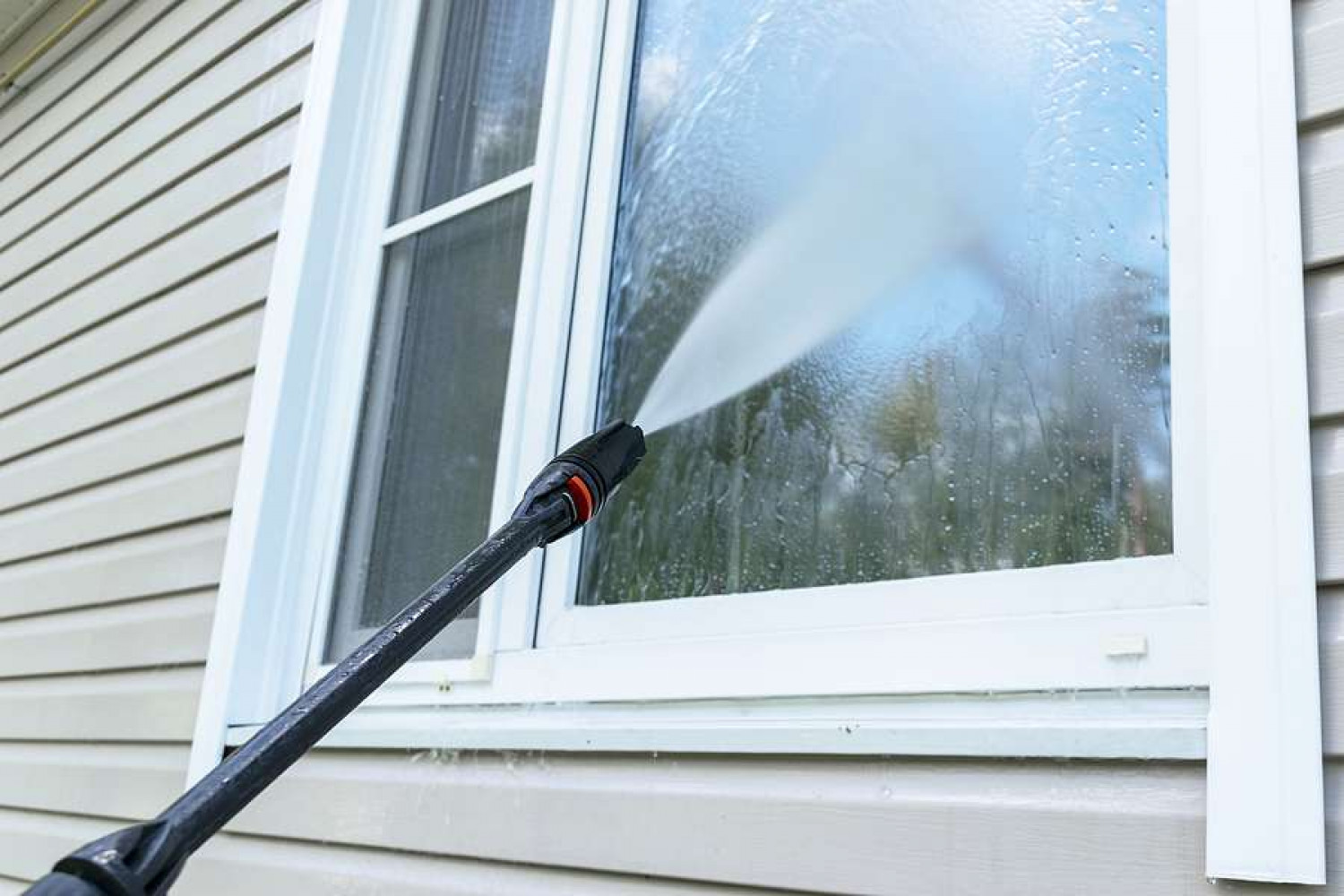
Exterior Glass Pressure Washing Services in Dallas, TX
Powerful yet gentle exterior glass pressure washing for Dallas commercial buildings. Our specialized low-pressure techniques safely remove dirt, pollution, and environmental contaminants without damaging glass.
Service Overview
Exterior glass pressure washing provides deep cleaning power for commercial windows that have accumulated significant dirt, grime, and environmental contamination. This specialized service utilizes controlled pressure washing techniques designed specifically for glass surfaces, removing stubborn deposits that standard cleaning methods cannot address. For Dallas commercial properties facing heavy pollution exposure, construction dust, or long-term neglect, pressure washing restores glass to pristine condition.
The key to safe glass pressure washing lies in controlling pressure levels and using appropriate techniques that clean effectively without damaging glass, seals, or surrounding building materials. Standard pressure washing equipment can etch glass, damage window frames, and force water into building envelopes. Our specialized glass pressure washing services use low-pressure techniques, specialized nozzles, and appropriate cleaning solutions that remove contaminants while protecting your property.
Dallas commercial buildings face particular challenges with exterior glass contamination. Highway proximity exposes properties to exhaust residue and road grime. Construction activity throughout the Metroplex generates dust that settles on glass surfaces. Seasonal storms deposit dirt and debris. Our exterior glass pressure washing services address these North Texas conditions with techniques developed specifically for local environmental factors.
Our Process
Surface Evaluation
We assess glass condition and contamination type to determine appropriate pressure and technique.
Pre-Treatment
Specialized cleaning solutions loosen stubborn deposits before pressure washing begins.
Controlled Pressure Washing
Low-pressure techniques with specialized nozzles safely remove contaminants without damaging glass.
Rinse and Detail
Thorough rinsing and detailed cleaning ensure spotless results and protected surfaces.
Safe Pressure Washing for Commercial Glass
Pressure washing glass requires expertise and specialized equipment to avoid damage. Excessive pressure can etch glass surfaces, damage protective coatings, compromise window seals, and force water into building interiors. Our technicians are trained in glass-safe pressure washing techniques that deliver cleaning power without these risks.
We use variable pressure systems that allow precise control based on glass type and contamination level. Specialized fan nozzles distribute pressure evenly across surfaces. Proper technique maintains safe distances and angles that clean effectively while protecting your windows. For Dallas commercial properties, this expertise ensures that pressure washing improves rather than damages your building's appearance.
Addressing Heavy Contamination on Dallas Windows
Some commercial windows require more aggressive cleaning than standard methods can provide. Long-term neglect, construction exposure, or heavy pollution creates deposits that resist normal cleaning. Our exterior glass pressure washing services address these challenging situations with the power needed to restore heavily contaminated glass.
Pre-treatment with specialized solutions breaks down stubborn deposits including exhaust residue, industrial fallout, and environmental staining. Controlled pressure washing then removes these loosened contaminants without scrubbing that could scratch glass. The result is restoration of clarity even on windows that appeared permanently damaged. For Dallas properties with severely neglected glass, pressure washing often achieves results that surprise property owners.
Preparing Glass for Protective Treatments
Exterior glass pressure washing serves as important preparation for protective treatments including water-repellent coatings and anti-graffiti films. These treatments require perfectly clean surfaces for proper adhesion and effectiveness. Our pressure washing services ensure that glass is thoroughly prepared for protective applications that extend cleanliness and reduce future maintenance requirements.
Following pressure washing, we can apply treatments that make ongoing maintenance easier and more effective. Water-repellent coatings cause rain to sheet off glass, carrying dirt with it. Anti-graffiti films protect against vandalism damage. These treatments, properly applied to pressure-washed surfaces, help Dallas commercial properties maintain cleaner windows with less frequent service.
Key Benefits
- Removes heavy dirt and grime buildup
- Eliminates pollution and exhaust residue
- Safe for glass and window seals
- Restores heavily soiled windows
- Prepares surfaces for protective treatments
Serving All of Dallas-Fort Worth
We provide exterior glass pressure washing throughout the Dallas metroplex. View our service areas or contact us for availability in your location.
services planning guide
How to plan exterior glass pressure washing for a commercial property in Dallas
Dallas Commercial Window Cleaners uses the following planning framework to help property managers and business owners turn a request for commercial window and exterior-glass cleaning into a scope that can be walked, priced, scheduled, and checked. It is designed for practical comparison and does not replace site-specific safety, material, vendor, or regulatory requirements.
Define the Work Before Pricing It
A commercial scope should distinguish appearance cleaning from hygiene work and asset maintenance. Dust removal, disinfection, floor finish care, glass restoration, and debris control solve different problems, use different processes, and often belong on different frequencies. A walkthrough for exterior glass pressure washing is most productive when the decision-maker identifies the spaces that create complaints, the areas that carry the most traffic, and the tasks the current program misses. Those observations turn a generic checklist into a practical scope tied to the way the property is actually used. For multi-tenant or mixed-use properties, exterior glass pressure washing should be divided by responsibility zone. Common areas, tenant suites, back-of-house spaces, loading areas, public restrooms, and restricted rooms can then receive schedules and approval rules that match their actual use. Exterior Glass Pressure Washing should begin with a written definition of the rooms, surfaces, fixtures, equipment boundaries, and access conditions included in the work. A useful scope separates routine tasks from periodic restoration so the facility manager can see what happens on every visit and what occurs only on a planned cycle.
Build the Schedule Around Operations
For Dallas–Fort Worth properties, travel windows and building access can materially affect the usable service period. A realistic schedule accounts for security handoffs and operating deadlines rather than promising a start time that leaves too little time to finish. Access planning is part of service planning. Keys, badges, alarm procedures, loading access, elevator reservations, escort rules, and locked-room approvals should be confirmed before the first exterior glass pressure washing visit so the crew can complete the full scope without improvising. Daytime and after-hours service solve different operational problems. Day porter coverage manages visible conditions while people are present; after-hours crews complete disruptive or time-intensive tasks when work areas can be accessed safely and thoroughly. A dependable plan includes a method for reporting schedule changes. The facility contact should know whom to notify, how much lead time is needed, and how missed or added visits affect the monthly program before an urgent request arises.
Make Quality Control Observable
The account review should examine service requests, inspection findings, occupancy changes, supply use, and upcoming facility events. That review keeps the program aligned with the property instead of allowing an old scope to continue after the building changes. Consistent crew assignments improve exterior glass pressure washing because the team learns access routines, material sensitivities, recurring problem areas, and the expectations of the facility contact. Coverage plans are still necessary for absences so consistency does not depend on one individual. Quality control works best when it is tied to the site-specific scope. A supervisor can inspect completion against named rooms and outcomes, record exceptions, assign corrections, and identify patterns that require a change in staffing, tools, or frequency. A quality program should explain how corrections are handled. The facility contact needs a clear response path, a reasonable correction window, and confirmation when the issue is closed rather than a vague assurance that someone will look into it.
Match Methods to Materials and Risk
Surface identification matters because a process that works on one material can damage another. Before exterior glass pressure washing, confirm flooring, stone, coated metal, glass treatments, upholstery, painted surfaces, and manufacturer restrictions that affect chemistry or agitation. A material-safety discussion should include storage and labeling. Facility contacts should know where products and equipment will be kept, which rooms remain accessible to occupants, and how spills or damaged containers are reported. For sensitive or newly installed materials, a small test area can prevent expensive mistakes. The service plan should identify who approves the test result before broader cleaning or restoration proceeds. Color-coded cloths, pads, and tools can reduce cross-use between restrooms, food areas, workspaces, and public surfaces. The exact system matters less than having a documented method the crew can follow consistently.
Use the Walkthrough to Build the Scope
Ask department leads or regular occupants where cleaning failures are most visible. Facility managers often know the formal complaints, while daily users can identify recurring issues such as neglected corners, supply shortages, or timing conflicts. For larger properties, divide the walkthrough into zones and record the floor type, use, occupancy, and desired frequency for each. This produces a proposal that can be adjusted by zone without rewriting the entire program. If the requested exterior glass pressure washing includes restorative work, identify the difference between a first-service reset and ongoing maintenance. Startup work may require additional labor that should not be hidden inside the recurring visit price. A useful walkthrough ends with next steps: who will receive the written scope, who can approve revisions, whether a second technical visit is required, and what information is still needed before pricing is final.
Put the Service Agreement in Writing
Pricing should state whether it is monthly, per visit, hourly, or project based and should identify the assumptions behind it. Changes in occupied square footage, frequency, access time, or task scope need an agreed method for repricing. The agreement should state how holidays, weather closures, and client-requested skips are handled. These events affect visit counts and staffing, and the billing treatment should be clear before the first calendar exception. The agreement should explain how additional work is approved. Emergency cleanup, event service, construction dust, floor restoration, and extra porter coverage should not be performed or billed through an informal request that no one can later verify. Service-level expectations should be realistic and observable. A promise of “perfect cleaning” is less useful than response times, inspection routines, named completion outcomes, and an escalation process for repeated deficiencies.
Plan for Dallas Facility Conditions
Properties across Dallas–Fort Worth vary widely in access, occupancy, and operating schedule. A downtown office, suburban medical suite, industrial building, retail center, and hospitality property should not receive the same labor plan simply because their square footage is similar. A local service plan should account for the property’s immediate environment. Construction nearby, open parking, landscaping, loading activity, and pedestrian traffic can change how quickly dust and debris return after a visit. Storm seasons can create short-notice needs around entrances, exterior glass, tracked moisture, construction material, and debris. A recurring account should know how to request work outside the normal scope and whether priority response is available. DFW traffic makes realistic arrival windows important, especially when a crew must meet security or elevator access at a fixed time. The plan should protect enough on-site time to complete the work rather than compressing the scope after a delayed handoff.
Compare Providers on More Than Price
Consider the cost of under-scoping. Persistent complaints, damaged finishes, emergency restoration, staff time spent supervising the vendor, and repeated provider changes can cost more than a properly designed recurring program. Ask each provider to explain staffing assumptions, visit length, supervision, equipment, and the process for covering absences. The answer reveals whether the proposal is an operating plan or simply a price attached to a task list. Evaluate communication alongside cleaning technique. A facility manager needs timely updates, a named account contact, documented service requests, and a reliable process for resolving issues without repeatedly explaining the account. References are most useful when the compared account resembles the property in size, use, and schedule. A successful small office account does not by itself demonstrate the systems needed for a large, high-traffic, or specialized facility.
Start, Measure, and Adjust the Program
Periodic tasks should be placed on a calendar at startup. Floor work, carpet extraction, glass detailing, vent cleaning, high dusting, pressure cleaning, and other rotating services are easier to budget when dates are planned. Closeout reporting should match the account’s complexity. A small property may need simple completion confirmation; a larger or specialized account may need inspection notes, issue photographs, supply alerts, and a record of periodic tasks. A stable program still needs review after renovations, staffing growth, seasonal traffic, operating-hour changes, or new equipment. Each change can alter soil load, access, or the time available for exterior glass pressure washing. The first visit should not be treated as an ordinary maintenance visit when buildup already exists. Startup cleaning establishes a maintainable baseline and gives the crew a realistic view of the time required for future service.
Bring to the walkthrough
- Approximate square footage, floor plan, and operating hours
- Current frequency, known complaints, and priority areas
- Flooring and surface notes, restricted rooms, and access rules
- Desired start date, budget constraints, and approval contacts
Expect in a written proposal
- Task scope by zone and visit frequency
- Service windows, periodic work, and supply responsibility
- Quality checks, communication, and correction procedures
- Pricing assumptions, exclusions, and change-order rules